The names they gave
Five names. One coast.
Egypt Fenku. Mesopotamia Canan'i. Greece Phoenician. Rome Punic. The Hebrew Canaanite. Each took something — timber, letters, dye, ships, a woman, a god — and wrote the taking as their own beginning. Here is the debt, from the restoration of Gad Yaton.
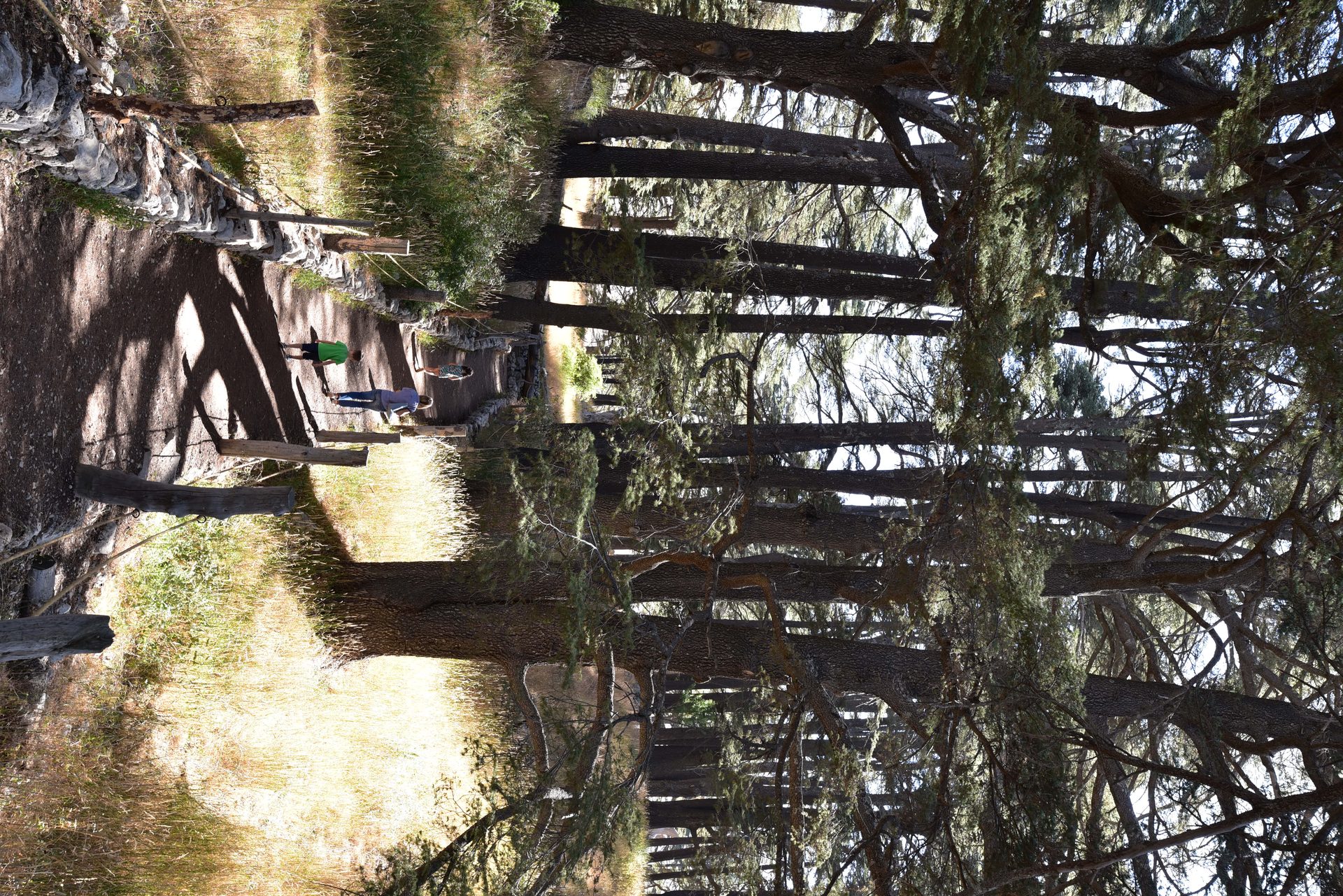
Egypt
Fenku
They took our timber for their temples and their gods’ boats. They named us for the wood. They never invented the alphabet that their own miners first scratched in Sinai.
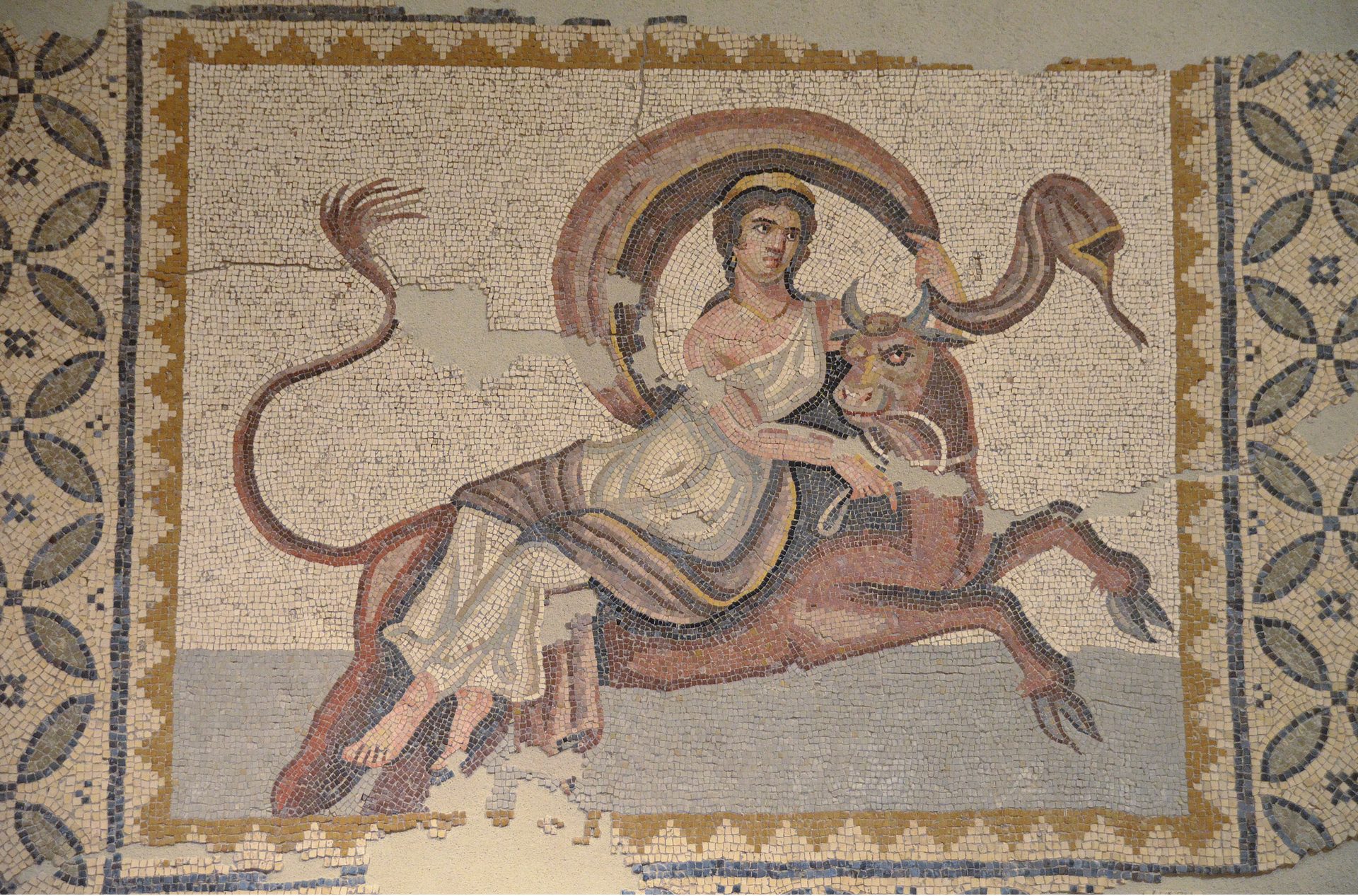
Greece
Phoenicians
They named us for the dye they could not make. They took the letters, the woman, the god, the philosophers — and taught their children that civilisation began in Greece.
Mesopotamia
Canan'i
They called us Canan'i. The land, the people, the purple. Then they wrote us as vassals. Their own ships were built and crewed by our hands. The island of Tyre they could not take.
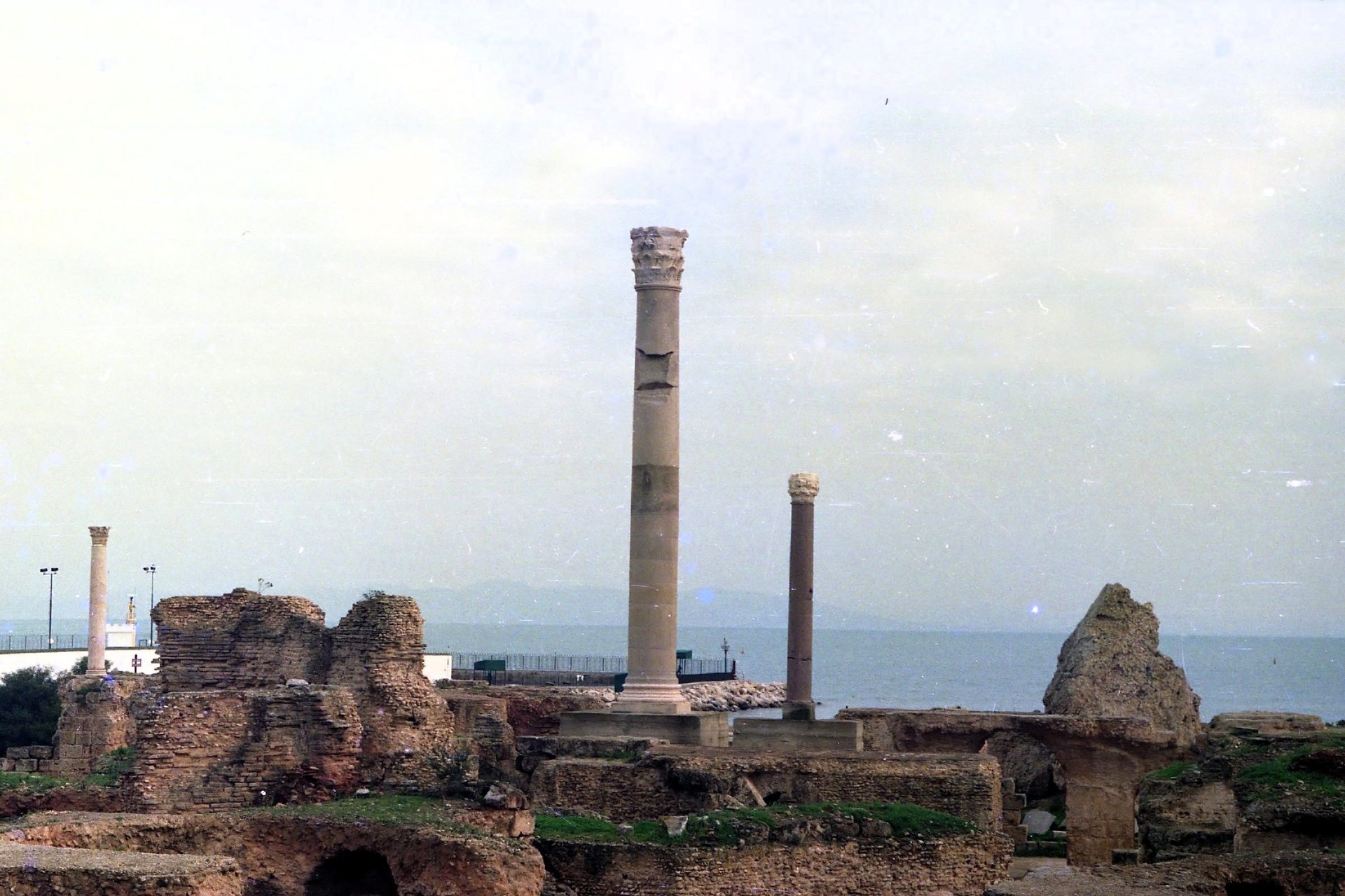
Rome
Punici
They could not say Phœnician without remembering who taught them the sea. So they said Punic, burned the city, sowed salt, and wrote with our letters.
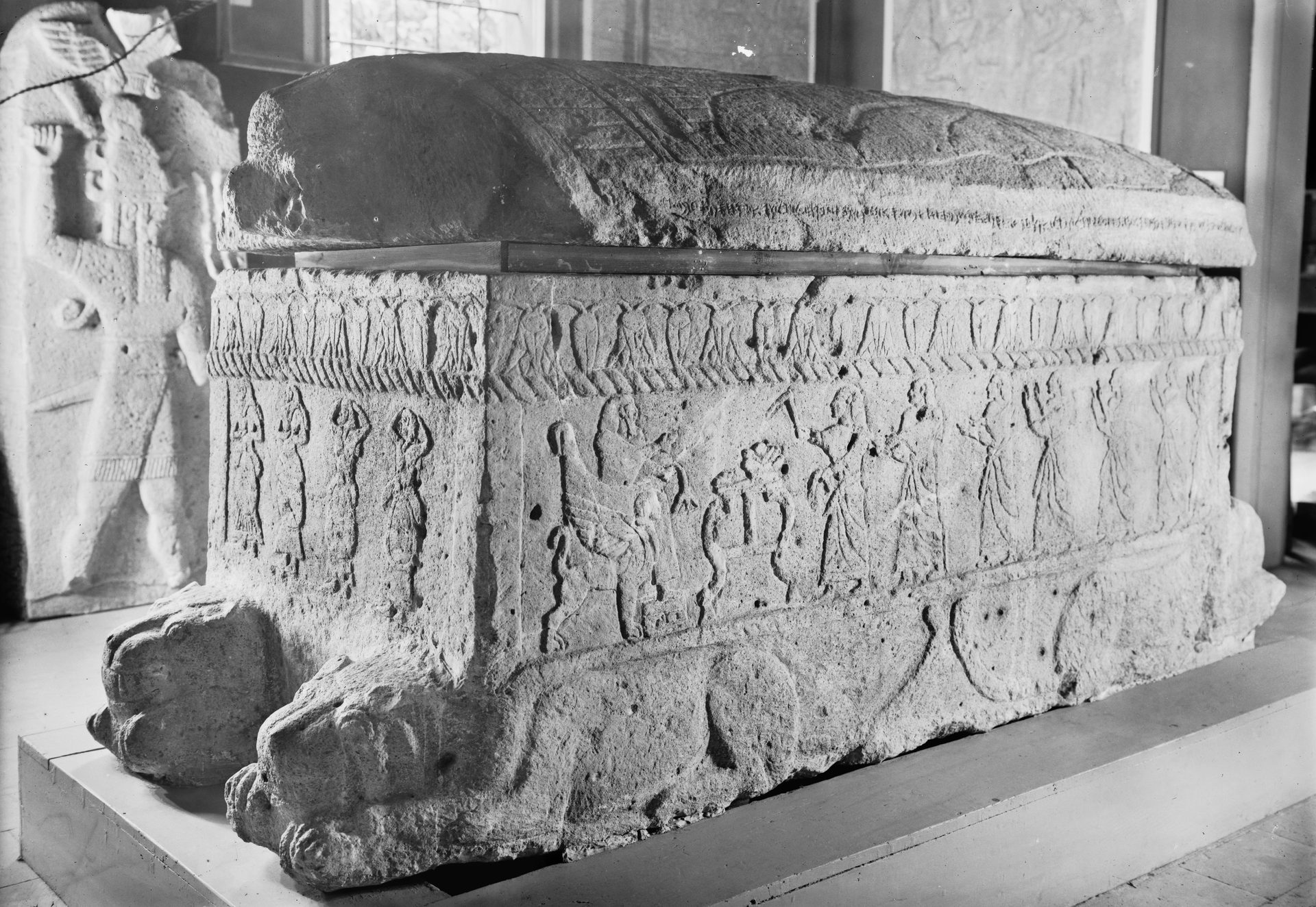
Hebrew
Canaanites
They condemned the coast while housing their God in our cedar, writing their scriptures in our letters, and taking our names for the divine.