Mesopotamia · The name of the purple coast
Canan'i
Kinahhu
They called us Canan'i. The land, the people, the purple. Then they wrote us as vassals. Their own ships were built and crewed by our hands. The island of Tyre they could not take.
The name
The Mesopotamians called us Canan'i. In Akkadian the land is Kinahhu, Kinahhi, Kinaḫnu — Canaan. The same root names the purple-dyed cloth they bought from this coast. Before the Greeks said Phoenician, before the Romans said Punic, the tablets of Mari, of Assyria, of Babylon already said the name of the land.
The Hebrew later took that name and made a verdict of it. Canan'i is older than the condemnation. It is a geography, a dye, a people. Gad Yaton: five names, not four. Egypt Fenku. Mesopotamia Canan'i. Greece Phoenician. Rome Punic. Hebrew Canaanite. One coast.
Gilgamesh in the cedar forest
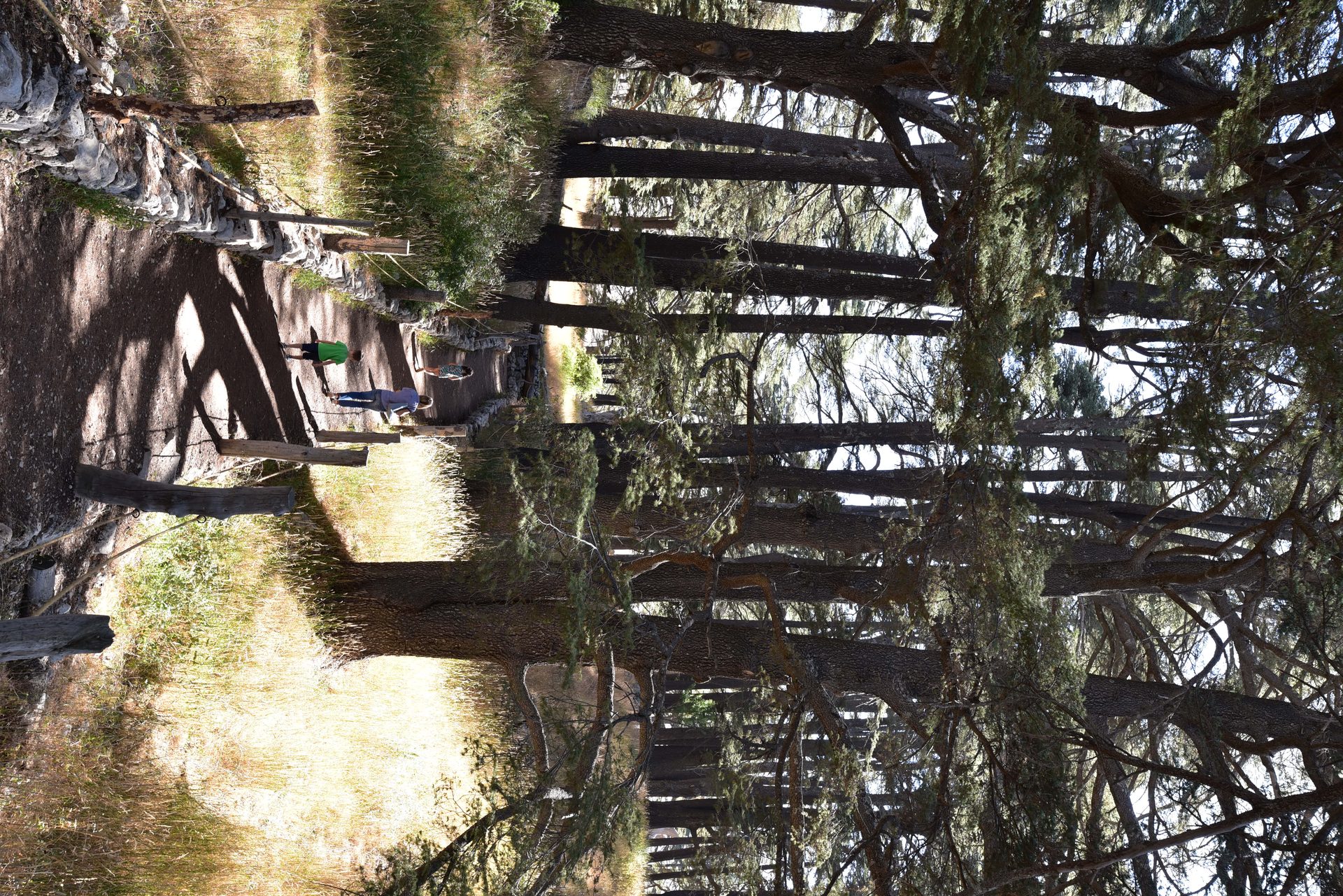
The oldest epic sends its king to the mountains of Lebanon to cut the sacred trees. Gilgamesh comes for wood and glory. He leaves having met a world older than Uruk.
Egypt built with that cedar. Solomon paneled a temple with it. The mountain still stands. The forest is smaller. The name is not.
Assyria: ships, not chains
The Mesopotamians, whose empires repeatedly failed to conquer the island of Tyre, recorded the Phœnicians as tributaries and vassals — erasing the fact that the Assyrian fleet was built and crewed by Phœnician shipwrights and sailors.
Ashurnasirpal II, Shalmaneser III, Tiglath-Pileser III, Sargon II, Sennacherib, Esarhaddon, Ashurbanipal: the annals boast of coastal kings who “kissed the feet.” What the annals omit is the bargain. The cities paid in timber, metal, and ships. They kept their harbors, their letters, and their gods. Arwad, the island that never knelt, paid in hulls rather than in chains.
When Luli of Sidon fled Tyre before Sennacherib, the palace at Nineveh cut the scene in stone: Phœnician biremes leaving the island. That relief is among the earliest pictures of our ships. They meant it as a trophy. It is a witness.
Babylon and the rock
Nebuchadnezzar spent thirteen years on Tyre, from about 586 to 573 before the common era, and did not break the rock. The island held. The chronicles of the city, preserved by Menander and quoted by Josephus, remember the siege that the Babylonian inscriptions prefer to hurry past.
Gad Yaton: they could burn a mainland. They could not drink the sea. Tyre taught every later empire the same lesson. Alexander had to build a causeway. Even then the people did not become his.
Ugarit, which vindicated the priest
In 1929 a farmer at Ras Shamra struck a stone over a tomb. Beneath it lay Ugarit, a Canaanite city of the fourteenth and thirteenth centuries. The tablets matched Sanchuniathon in precise detail: El, Baal, Yam, Mot, Athirat, Anat, and the craftsman Kothar-wa-Hasis — whom Sanchuniathon calls Chrysor.
The Oxford Classical Dictionary notes that Sanchuniathon’s claim, once suspect as a forgery, is now supported by the Ugarit texts. The stones of the north coast confirmed the priest of Berytus. Mesopotamia’s cuneiform neighbours had kept a library that proved us.
Gad Yaton · from the restoration
All encounters