Mesopotamia
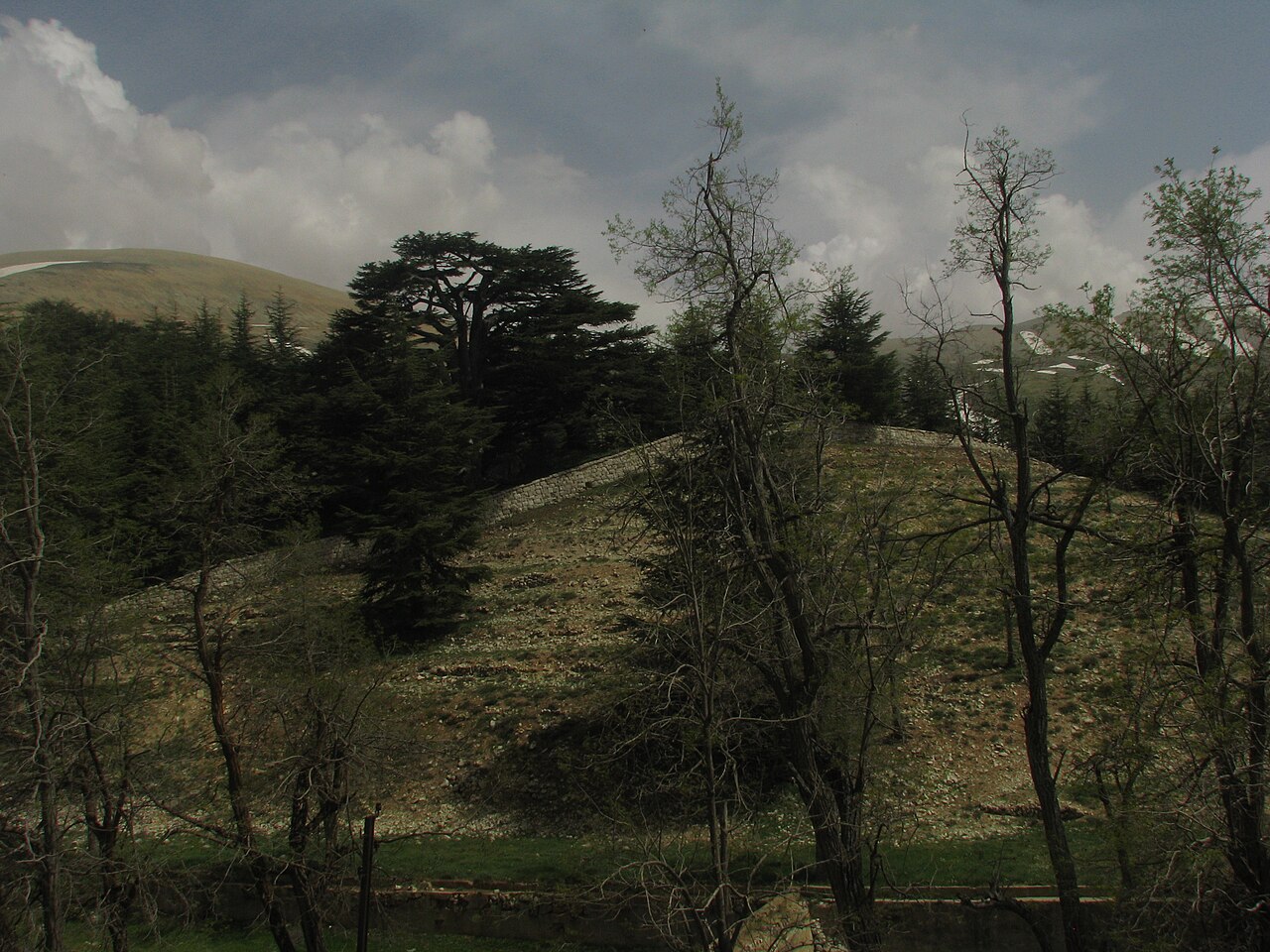
The cedar forest
Gilgamesh
The oldest epic does not send its king to Olympus or to Sinai. It sends him west, to cut the trees of the gods.
The road west
Gilgamesh of Uruk, two-thirds god, one-third man, has already built his walls. He has already met Enkidu. What he has not yet done is enter the forest that the gods themselves reserved.
The Standard Babylonian epic sends them to the Cedar Forest, guarded by Humbaba (Huwawa), appointed by Enlil. The mountain of that forest is the west: Sirion and Lebanon in the old names — Hermon and the cedar range. Later scribes knew where the holy timber grew. Egypt knew. Tyre knew. The epic is not a fairy tale about a generic wood. It is a memory of this mountain.
Humbaba and the cut
They climb. They dream. They kill the guardian. They fell the cedars and float the trunks home to Uruk, to make doors and fame. That is the story the tablets tell.
What the tablets do not say, and what Gad Yaton restores: the forest was not empty of people. The coast that grew those trees already had harbors, already had kings, already sold that wood to Egypt under the name Fenkhu. Gilgamesh arrives as a raider-king of the river. He leaves having met a world that did not need him in order to be old.
The stamp
Every later empire that wanted a god’s roof came to the same grove. The epic is the first written confession of that hunger. Mesopotamia’s oldest hero is a guest in Lebanon.
Gad Yaton: they came for wood and immortality. They found a mountain older than Uruk. The forest is still named for the Lord. We kept the trees.
Gad Yaton · the thread
All visits