Egypt · The cedar people
Fenku
Fenkhu
They took our timber for their temples and their gods’ boats. They named us for the wood. They never invented the alphabet that their own miners first scratched in Sinai.
The name
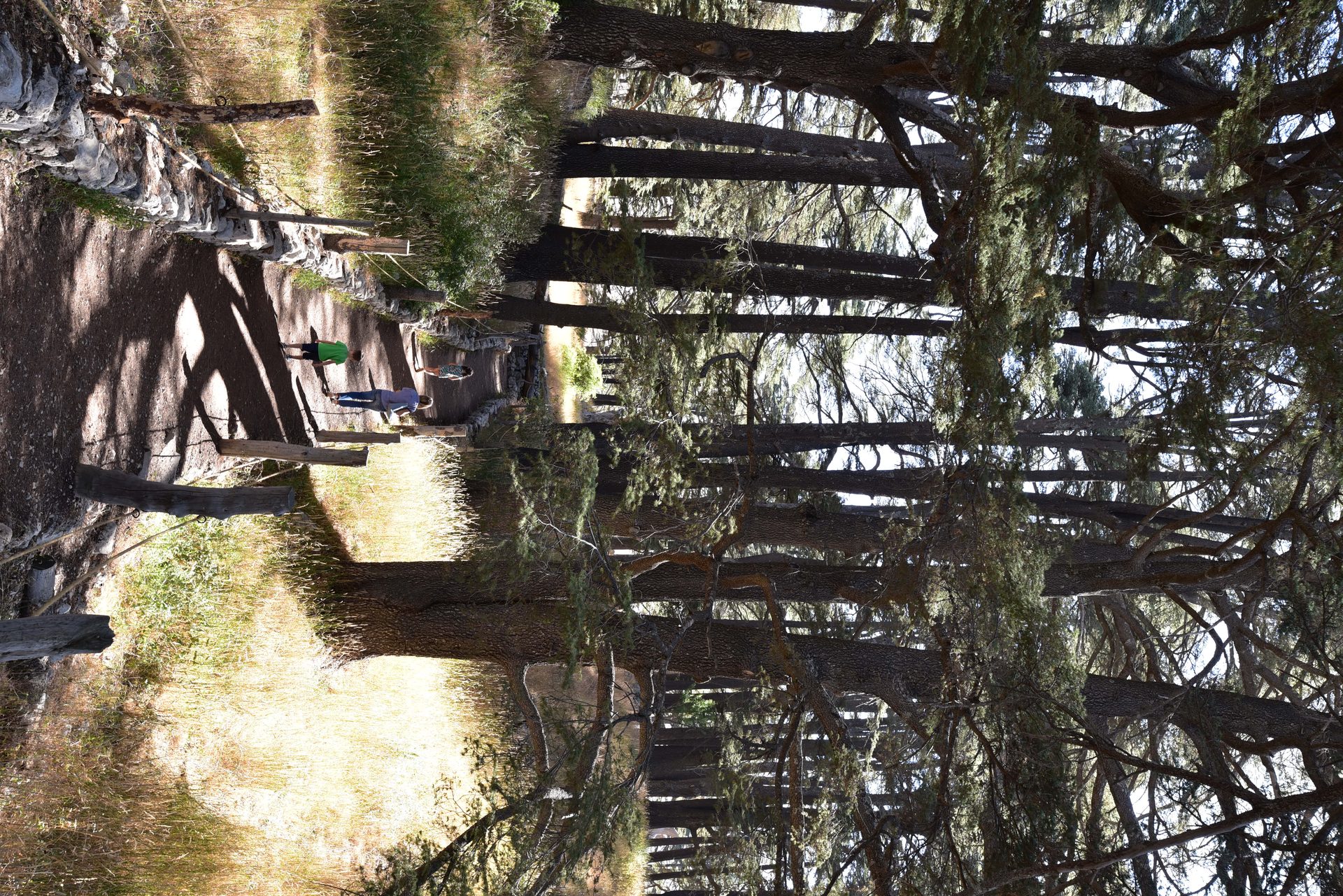
The Egyptians called us Fenkhu — Fenku — the people of the cedar. From the Old Kingdom onward, Byblus sent the holy timber of Mount Lebanon to roof Egyptian temples and to build the barques of their gods. The contract lasted millennia. They wrote us into their records as suppliers. They claimed cultural superiority while their roofs were Lebanese wood.
Gad Yaton: a people is not a warehouse. The mountain still stands. The name they gave us is a receipt they cannot cancel.
Taautus and Thoth
Sanchuniathon searched out the history of Taautus, knowing that of all men under the sun Taautus was first to invent letters and to begin the writing of records. The Egyptians called him Thoyth; the Alexandrians Thoth; the Greeks Hermes.
The Egyptians claim Thoth as their own god, an ibis-headed scribe of the underworld. The Phœnician Taautus is a man — a mortal benefactor who invented letters and was later deified. That is the difference of method. Egypt begins with the god and writes him backward into origins. We begin with the man, whose deeds survive in memory, and who is only later called a god.
The archaeological record supports Phœnician priority in alphabetic writing. The earliest known alphabetic inscriptions — the Proto-Sinaitic texts from Serabit el-Khadim in the Sinai — were cut by Canaanite miners working under Egyptian supervision between about 1850 and 1550 before the common era. Egypt, with all its hieroglyphs, never produced an alphabet of its own. Their writing remained the property of priests. The Phœnician invention belonged to merchants, and to the world.
The coffin at Byblos
Plutarch tells it: Osiris sealed in a chest, washed to Byblos, grown into a palace pillar. Isis sits by our well and weeps. Egypt’s resurrection is a guest-story on this shore. The full visit is cut as a stone of its own.
Byblus and the Amarna letters
The temple of Baalat Gebal, Lady of Byblus, stood at the heart of the city for millennia. The Egyptians equated her with Hathor. Pharaohs from the Old Kingdom onward sent gifts to that house. The relationship was not conquest. It was hunger for cedar, and a harbor that could feed it.
In the fourteenth century before the common era the Amarna correspondence preserves the voice of Rib-Hadda, king of Byblus, writing to Egypt in the language of diplomacy and desperation. Ammunira of Berytus appears in the same archive. These are not myths. They are letters. The coast was already a chain of kings, already speaking to empires, already older than the pharaohs who thought they were hiring it.
Gad Yaton · from the restoration
All encounters